











International Relations


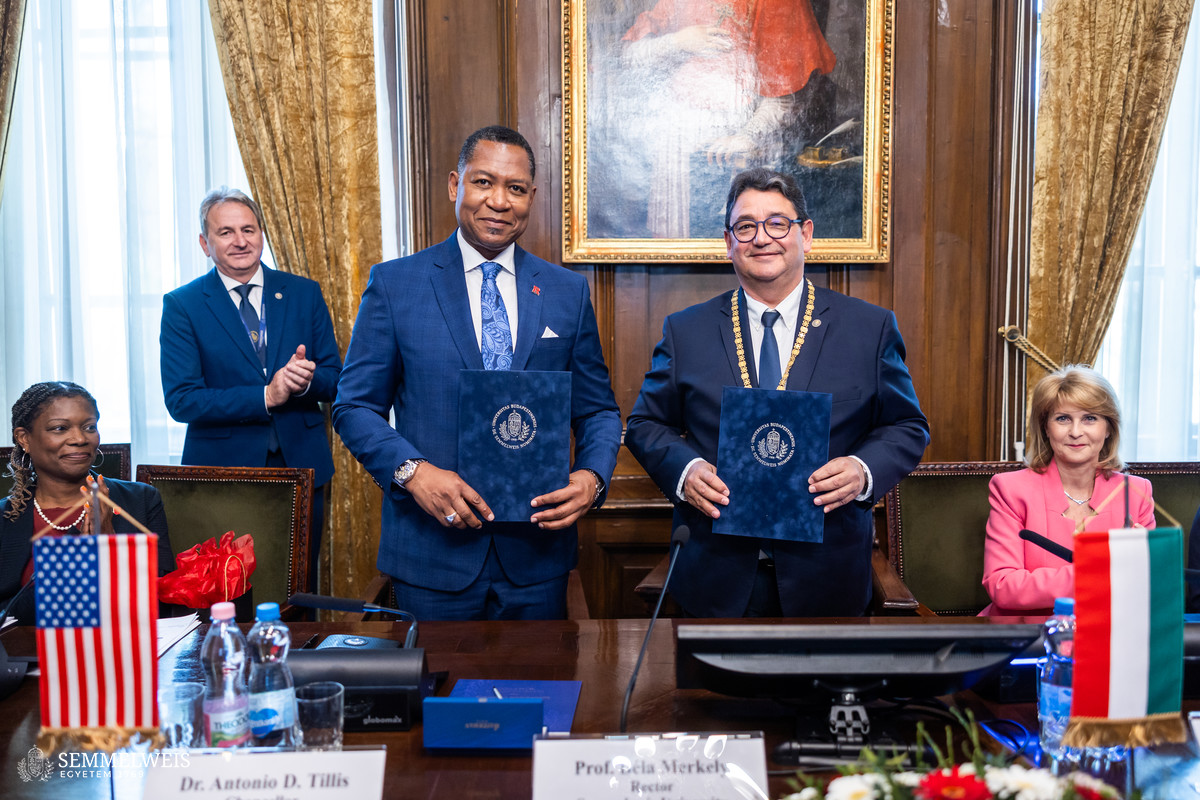
It is a top priority for Semmelweis University to continually expand its international relations in the academic and scientific fields. Today, the University maintains cooperative ties with over 150 higher education institutions, mostly from across Europe, but stretching even as far as North America and Asia.

Education
Exchange Programmes
As a firm believer in the importance of gaining international experience within academia, the University seeks to increase both the variety of its international exchange programmes and the number of students and academic staff who participate in them.

In addition to its various bilateral exchange agreements which span the globe, the University is a full-fledged participant in the European Union’s ERASMUS and Leonardo mobility programmes.

Cross-Border Higher Education Training
Rector Tivadar Tulassay (left) presents the Semmelweis University flag to Dr. Jörg Weidenhammer, Managing Director of the Asklepios Medical School.Semmelweis University’s newest direction in the area of international cooperation has been the development of cross-border higher education programmes. The unique feature of this educational approach is that while training takes place at the foreign partners’ facilities and by their teaching staff, the whole programme is conducted in accordance with Semmelweis University’s curricula, training standards and professional and accreditation requirements. Upon successful completion of the  programme, students receive a Semmelweis University diploma.

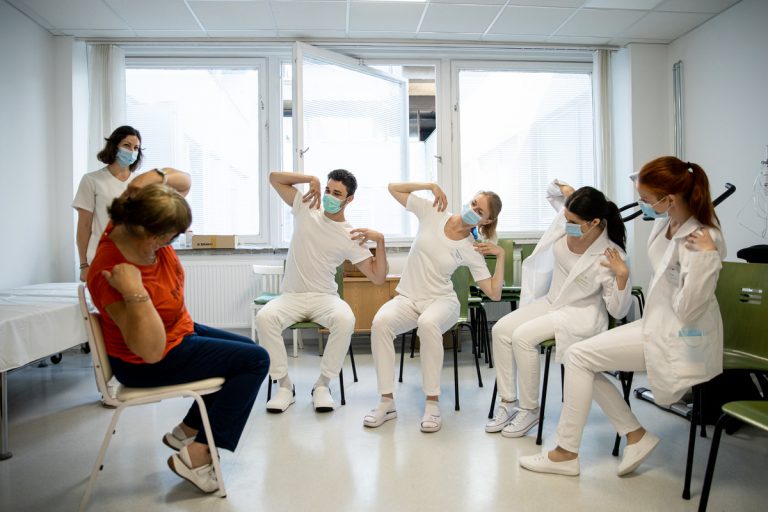
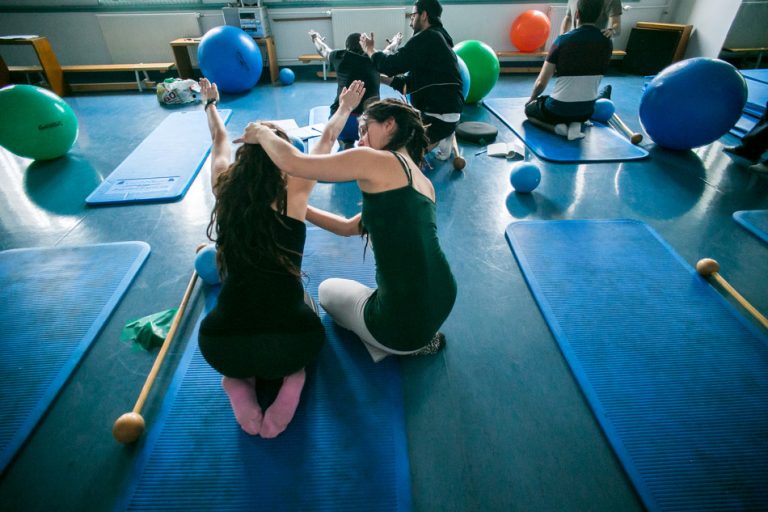
Cross-border education programmes currently underway include the training of German-speaking medical students at the University’s Asklepios Campus Hamburg (in collaboration with Asklepios Kliniken, one of Germany’s largest clinical clusters) and the education of physiotherapists in Switzerland (in collaboration with the University of Human Sciences and Technology of Lugano [L.U.de.S.]).

Scientific Collaboration
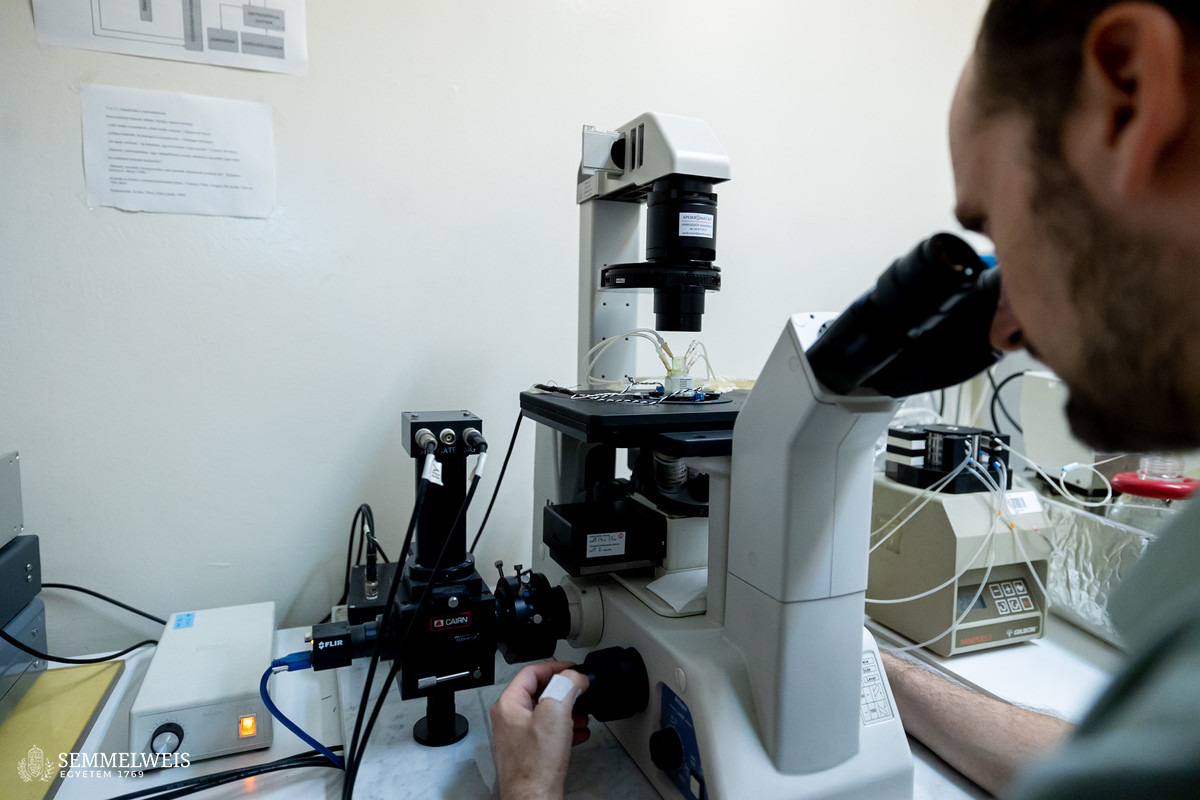
Many of the University’s research groups collaborate with international institutions in conducting and analysing their scientific studies.

In addition, the University hosts or co-organises several scientific conferences throughout the year, many of which draw a considerable number of foreign participants. Perhaps the most significant of these is the University-organised Semmelweis Symposium held in the fall of each year. Seeking to facilitate an international dialogue on a specific scientific topic, the conference features presentations by experts in the field from around the world.

Swedish students at Intercultural Day 2010An International Community
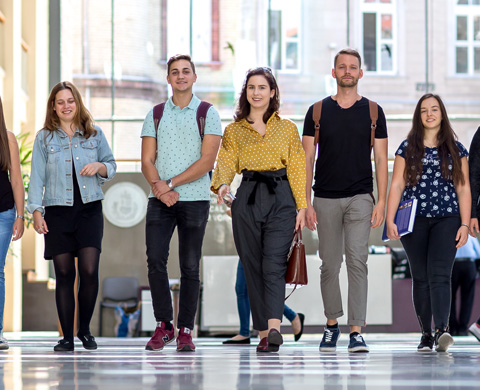
Embracing students from 64 nations across five continents, Semmelweis University is a truly international community. Owing to the widely recognised quality of its academic programmes and the fact that students can study at the University in three languages – Hungarian, English and German – the number of international students that study here is steadily increasing. Foreign students currently account for around a quarter of the total student population.

Membership in International Organisations
Semmelweis University is a full member of the most important international higher educational organisations, including the International Association of Universities (IUA), the European University Association (EUA) and the Danube Rectors’ Conference (DRC).