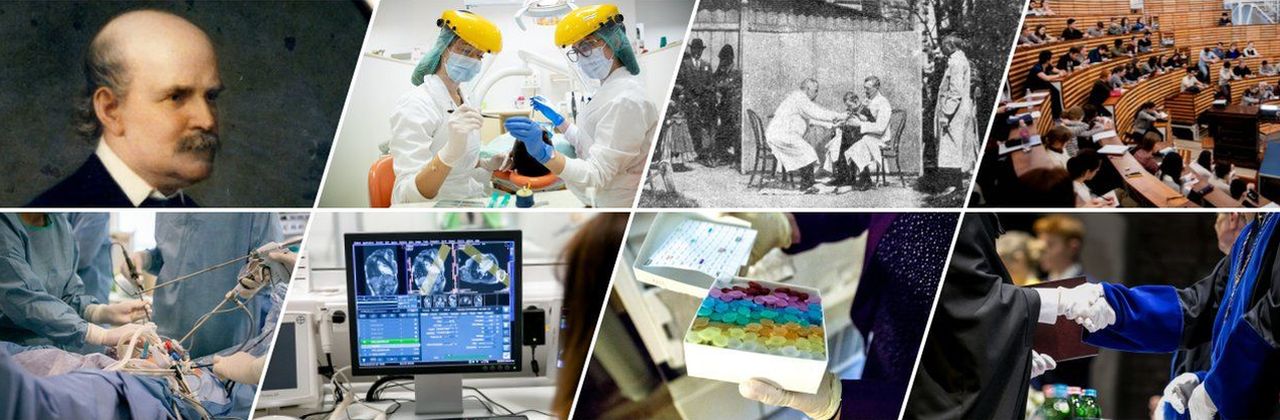




















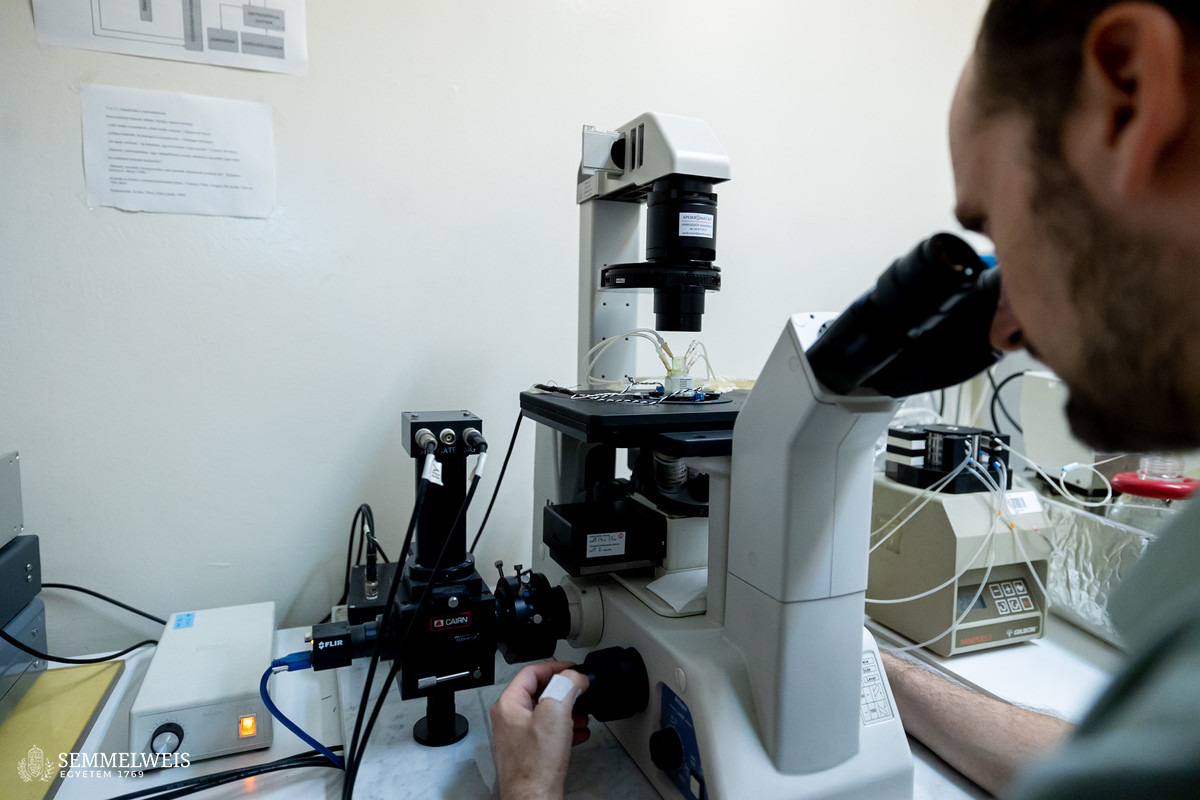



Semmelweis University is a research intensive institution, which has been committed to high-quality scientific research for nearly two-and-a-half centuries.
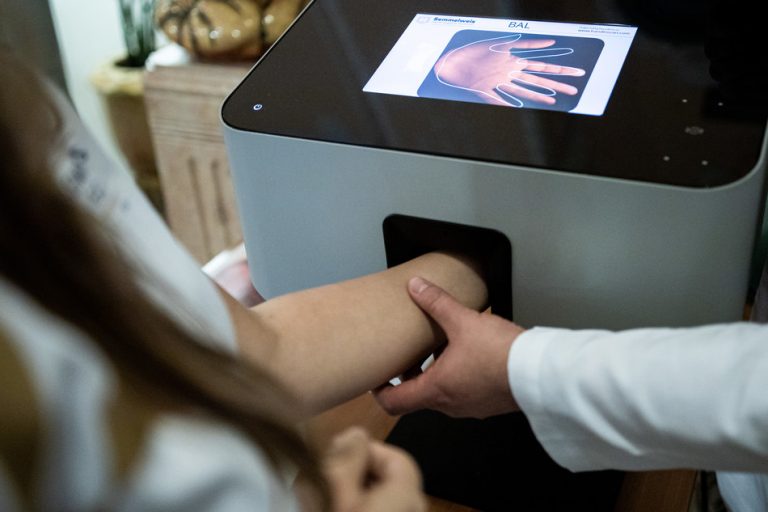
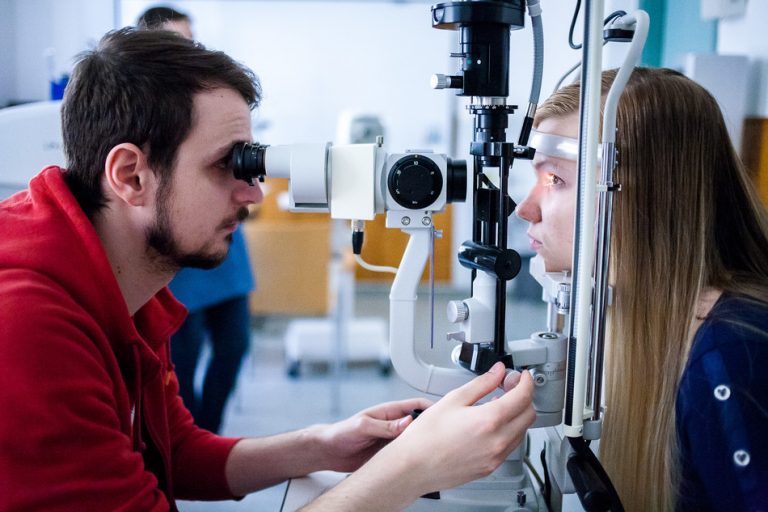
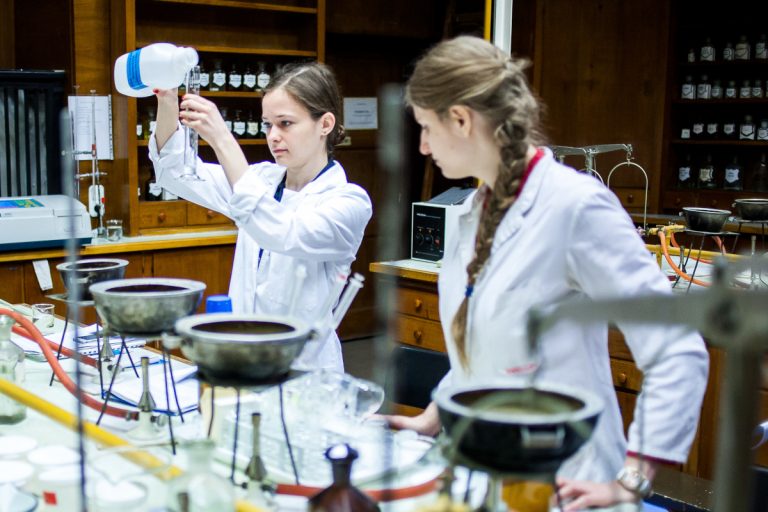
Research performed at the University’s six faculties covers a wide range of scientific disciplines. More than 1300 professionals in approximately 120 departments are involved in ongoing R&D activities.
Research projects in the preclinical and clinical departments are supported by both Hungarian and international programmes. Contract research sponsored by pharmaceutical companies also constitutes an important part of scientific activity.
There are numerous opportunities for motivated students to get involved in R&D work during their university years, such as through the Students’ Scientific Association (TDK). The School of Ph.D. Studies serves as an umbrella for a new generation of researchers.
The major fields of research in which Semmelweis University has achieved an international reputation are:
- Cardiology;
- Cellular and Molecular Physiology
- Endocrinology;
- Gastroenterology;
- Genes and the Environment;
- Metabolism;
- Molecular Genetics;
- Molecular Immunology;
- Molecular Pathology;
- Nanotechnology
- Nephrology;
- Neurosciences;
- Oncology;
- Paediatrics;
Semmelweis University ranks among the leading Hungarian universities with regard to the number of research papers published in distinguished international journals. In 2009, a total of 1360 scientific publications were published by researchers at Semmelweis University, with a total impact factor of 2241.
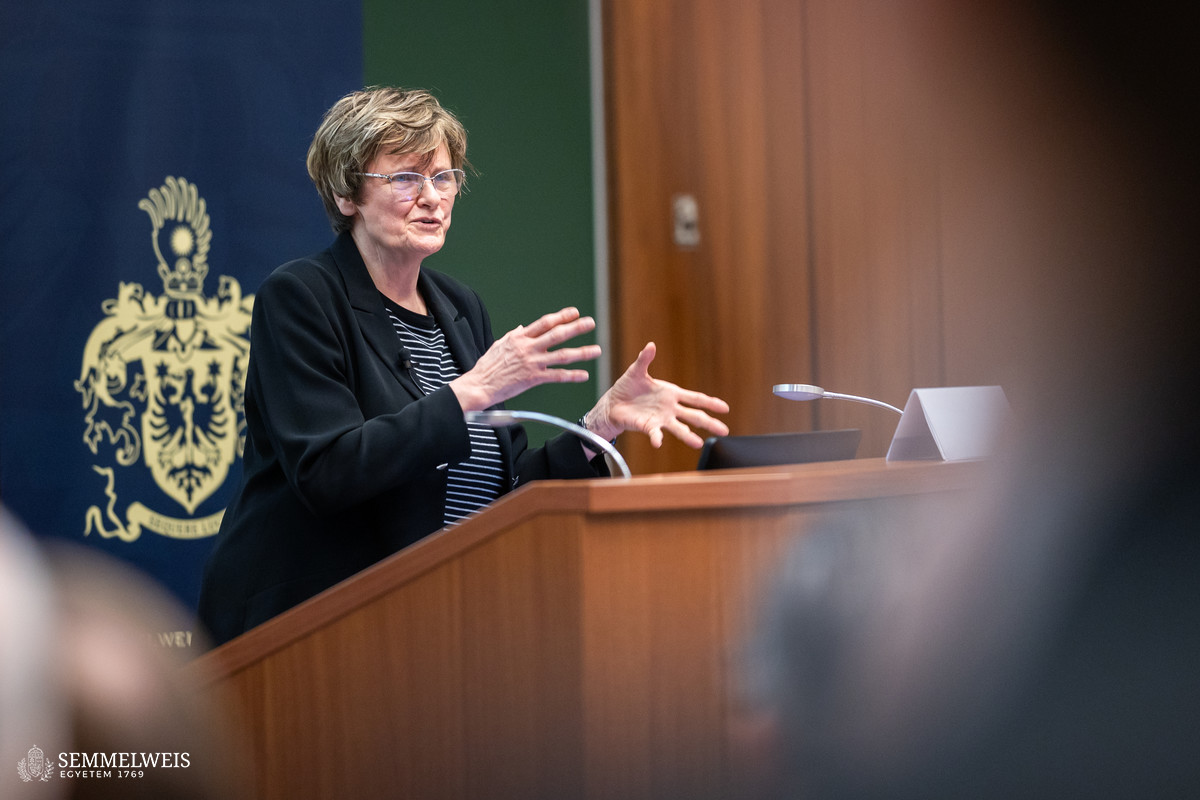
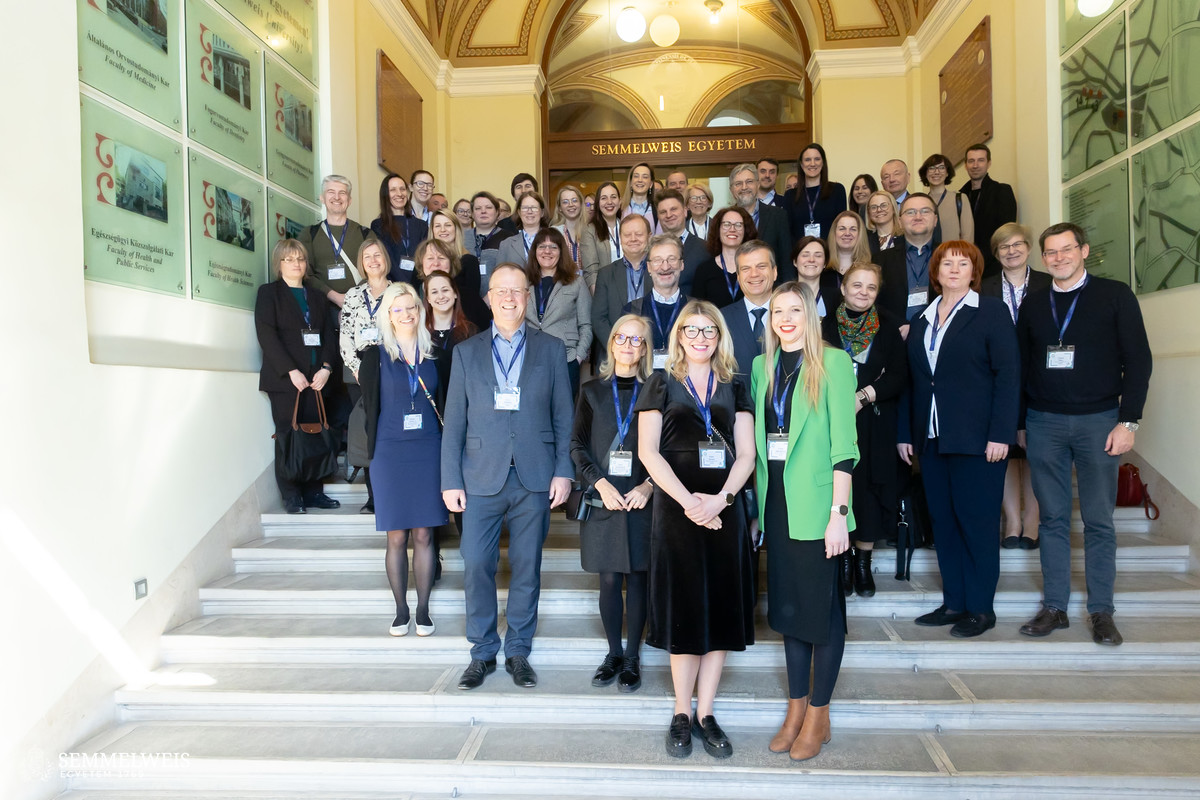
One of the most important venues for sharing the lastest developments in scientific research and the University’s most prestigious scientific event is the Semmelweis Symposium. Held annually since 1992, this University-organised conference is committed to maintaining an international forum in which experts of a previously selected scientific area can meet to exchange scientific ideas. The conference draws participants from all over the world.
In recognition of its outstanding scientific performance, the Ministry of Education and Culture (now Ministry of National Resources) awarded the University the prestigious title of Research Centre of Excellence in 2010. The title, which may be borne until March 2013, includes a research grant of around €11 million.